
Last Updated: November 10, 2026
Table of Contents
- Why Humid Weather Changes How You Use Facial Oil
- How Much Facial Oil to Use in a Humid Climate
- How to Apply Facial Oil for a Non-Greasy Finish
- Best Facial Oils for Humid Weather
- Matching Your Oil to Your Skin Type
- Layering Oil With Serums, Moisturiser and Sunscreen
- Troubleshooting: When Oil Feels Wrong
Why Humid Weather Changes How You Use Facial Oil
Facial oil is a concentrated blend of plant oils used to soften skin and support its barrier.
Skin in humid conditions often swings between sweating and drying out, sometimes on the same day, as sticky outdoor air gives way to long stretches of air conditioning indoors.
Confused about hydration versus moisture? Our guide on hydration vs. moisture breaks it down clearly.
How Much Facial Oil to Use in a Humid Climate
Two or three drops is a common starting amount for most faces in humid weather. Start with two, and add a third only if your skin still feels tight after it settles.
That sounds tiny. It is enough. Facial oils are concentrated, and a little spreads further than most people expect. Overusing oil is a common cause of that greasy, weighed-down feeling.
A simple guide:
- Oily or combination skin: two drops, night only to start
- Normal skin: two to three drops, night or morning
- Dry skin: three drops, and apply to damp skin in the morning
- Sensitive or acne-prone skin: two drops, patch tested first
How to Apply Facial Oil for a Non-Greasy Finish
The technique matters as much as the amount. Applied correctly, facial oil sinks in and leaves a soft finish rather than a film.
Step 1: Start With Damp Skin
Cleanse gently, pat dry, then leave your skin slightly damp. A light face mist works well here. Water helps the oil spread evenly and absorb faster, so you need less of it.
Step 2: Warm Two or Three Drops Between Your Fingertips
Drop the oil into your palm, not directly onto your face. Rub your fingertips together for a few seconds to warm it. Warm oil spreads more thinly and evenly across the skin.
Step 3: Press, Don't Rub
Press the oil into your face and neck with flat palms, working from the centre outward. Avoid rubbing or dragging the skin. Pressing helps the oil settle into the skin rather than sitting on top of it.
Best Facial Oils for Humid Weather
Lightweight, fast-absorbing oils suit humid weather best. Look for oils described as "dry" oils, which sink in quickly and leave little residue.
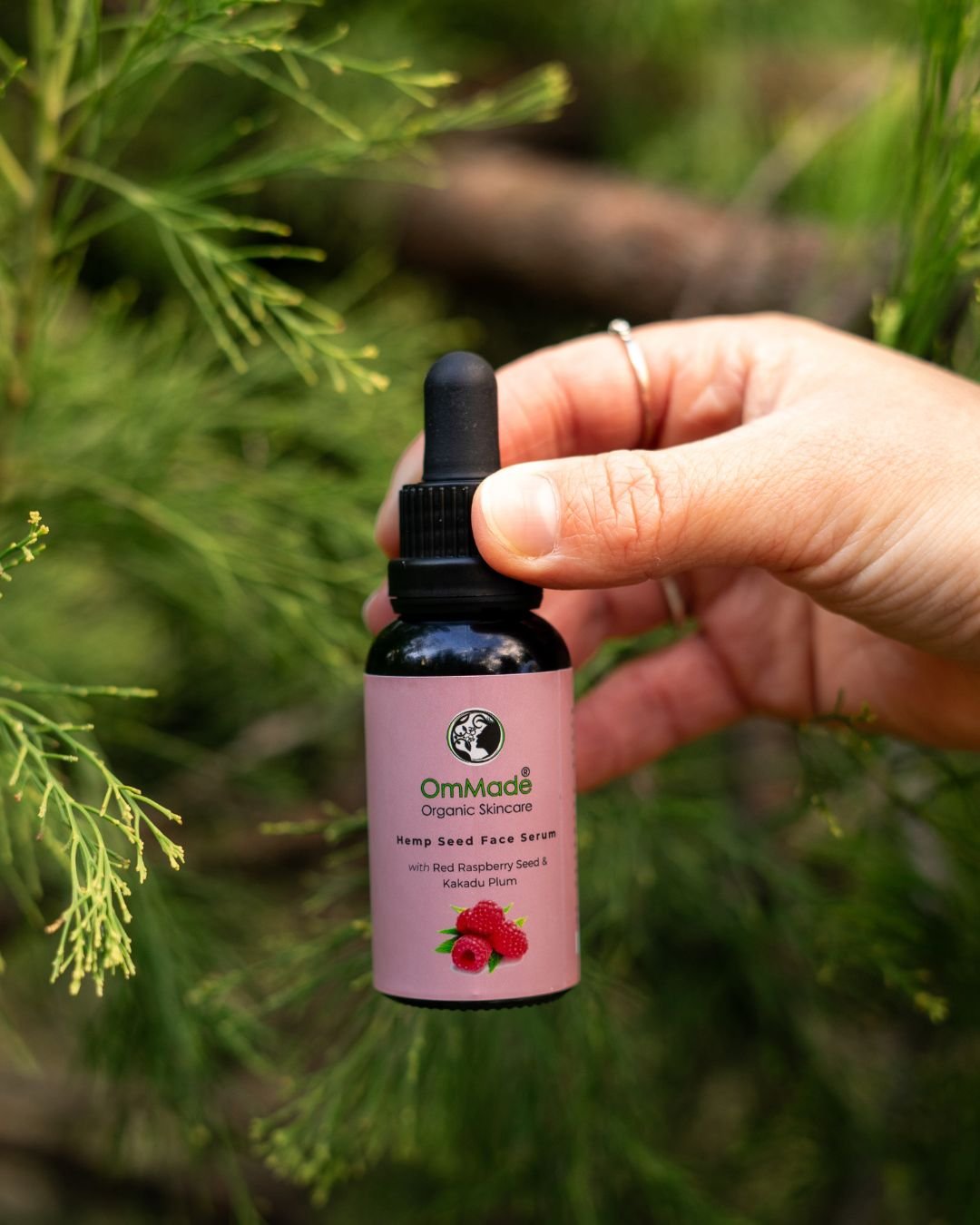
Our pick is the Hemp Seed Face Serum. It is a dry oil style serum that absorbs quickly and leaves skin feeling smooth without heaviness.

What to look for in any humid-weather oil:
- Fast absorption and a non-greasy finish
- A short, transparent ingredient list
- No heavy occlusive base that traps sweat
- A size you will actually finish before it turns
Matching Your Oil to Your Skin Type
Skin type decides which oil, how much, and how often. Rather than a single list, use this as a decision guide. If you sit between two types, start with the lighter option and add more only if your skin still feels tight after an hour.
Comedogenicity and patch testing
Labels such as "non-greasy" and "lightweight" are marketing terms, not regulated claims. What matters more is how a specific oil behaves on your skin.
A patch test is simple and worth doing with any new oil:
- Apply one drop behind your ear or on your inner forearm.
- Leave it for 24 hours without washing the area.
- Check for redness, itching or small bumps.
- If clear, apply one drop to a small area of your jawline for two nights before using it on your full face.
Watch out: a product can pass a patch test and still cause congestion after a week of full-face use, so introduce it gradually and keep an eye on your pore-prone areas.
A 30-day money back guarantee means you can try a product and see how your skin responds.
Layering Oil With Serums, Moisturiser and Sunscreen
Sunscreen always goes last in the morning, and that does not change in humidity. The trick is keeping the layers under it light and giving each one enough time to settle. The exact order and wait times below apply whether you are at home in air conditioning or out in sticky summer air.
Morning routine order in humid weather
- Gentle cleanser. Rinse with lukewarm water rather than hot, which can strip the skin and trigger more oil production.
- Face mist and apply serum. Wait about 30 seconds.
- Moisturiser, only if your skin needs it. Most of the time, either the serum or the moisturiser is enough. Not both. Wait about 60 seconds.
- Sunscreen as the final step. A little goes a long way. Let it set for a few minutes before makeup.
In the morning, skip facial oil on hot, sticky days. It competes with sunscreen and sweat and can make the finish feel heavy. If you want oil in the morning, use a single drop pressed only onto dry patches before sunscreen.
Humidity versus heat, sweat and air conditioning
Humidity, heat, sweat and air conditioning affect skin differently, and your routine should respond to the actual conditions rather than the season alone.
- High humidity, mild temperature: the air holds plenty of water, so skin needs less occlusive layering. Use less oil, or use it at night only.
- High heat and sweat: sweat mixes with oil and sunscreen on the surface. Cleanse thoroughly in the evening, and keep daytime layers light.
- Air conditioning: indoor cooling dries the air and can leave skin feeling tight even on a humid day. If you spend long hours in air conditioning, you may need a hydrating serum or a slightly richer moisturiser rather than more oil.
- Sea breezes and still air: summer conditions can swing between sticky, still days and windy ones. Adjust the amount of oil day by day rather than sticking to a fixed number of drops.
Watch out: pilling under makeup is usually a sign that you are rushing the layers or using too much product.
Troubleshooting: When Oil Feels Wrong
If your facial oil feels greasy, something in the routine needs adjusting. The fix is usually smaller than you think.
- Slick within an hour: use fewer drops.
- Pilling under makeup: wait longer between layers, or skip the morning oil.
- New breakouts: pause the oil, patch test, and reintroduce every second night.
- Tightness despite oil: you may need more hydration, not more oil. Add a mist or serum.
- Redness or stinging: stop using it and patch test on your inner arm first.
A patch test is simple: apply one drop behind your ear or on your inner forearm, wait a day, and check for irritation before using it on your face.
Humid weather does not rule out facial oil. It asks you to use less, apply it to damp skin, and press rather than rub.
OmMade Organic Skincare makes small-batch, naturopath-formulated skincare with no fillers or synthetic fragrances.

Share:
Small Batch Skincare Sourcing Practices That Matter