Table of Contents
- Is Small Batch Skincare Better Quality? What the Evidence Shows
- Small-Batch vs Mass-Produced Skincare: Where Each One Wins
- How Small-Batch Production Affects Quality Control and Consistency
- Preservation, Microbial Safety and Stability Testing
- Skincare Product Freshness and Shelf Life: What Small Batches Change
- Shop Here —>
- How to Read Skincare Ingredient Labels Like a Formulator
- How to Choose Natural Skincare and Verify Small-Batch Claims
- Conclusion
- Frequently Asked Questions
Last Updated: October 20, 2026
Is Small Batch Skincare Better Quality? What the Evidence Shows
Small batch skincare is skincare made in limited production runs, usually by hand or in small facilities, rather than in large-scale factories. The honest answer to whether it is better quality: sometimes yes, often it depends, and the label alone guarantees nothing. At OmMade Organic Skincare, we have made small-batch products since 2013, so we have a stake in this argument.
Here is the core tension. A small batch gives a maker closer control over ingredient selection, mixing and how quickly finished product reaches you. It does not automatically deliver better preservation, testing or consistency. Those come from process discipline, not batch size. Below, we break down where each model wins, what to check on a label, and how to verify a brand's claims before you spend money.
Small-Batch vs Mass-Produced Skincare: Where Each One Wins
Neither model wins across the board. Small-batch production tends to win on ingredient freshness, formulation flexibility and traceability. Mass production tends to win on consistency, tested stability and cost per unit.
Small batches suit makers who want to adjust formulations, source seasonal ingredients and keep production quantities low. Mass production suits scale: large volumes, standardised manufacturing, and the budget for extensive stability and microbial testing.
The trade-off is real. A small maker can tell you exactly which ingredients went into your jar. A large manufacturer can tell you exactly how that jar performed in testing across thousands of units. Few operations do both well.
Factor |
Small-Batch Skincare |
Mass-Produced Skincare |
|---|---|---|
Ingredient freshness |
Often fresher, shorter runs |
Longer storage before sale |
Batch consistency |
Some variation possible |
Highly standardised |
Testing depth |
Varies by maker |
Typically extensive |
Cost per unit |
Higher |
Lower |
Traceability |
Often direct to maker |
Via supply chain |
How Small-Batch Production Affects Quality Control and Consistency
Quality control in small-batch production depends on the maker's discipline, not the batch size itself. A small run makes hands-on oversight easier: one person can weigh ingredients, monitor mixing and check each finished product. It also means fewer safeguards if that person cuts corners.
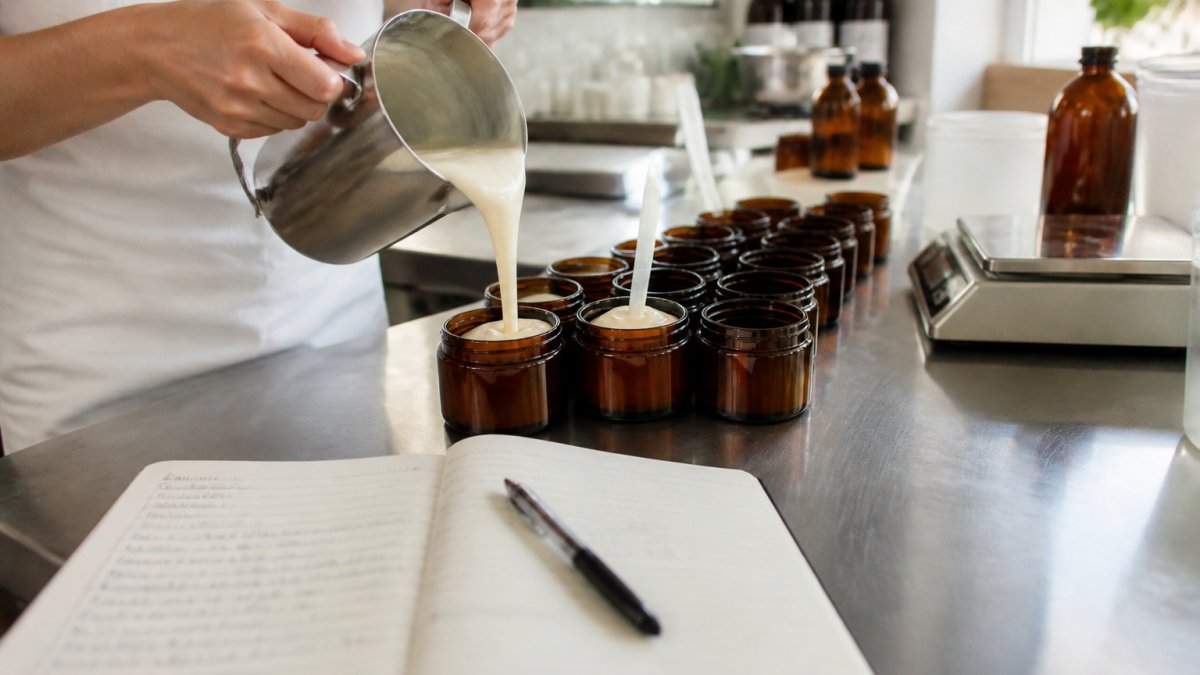
What most guides miss is that small batches concentrate responsibility. In a large plant, quality assurance is a separate function with its own checks. In a small studio, the formulator often is the quality assurance. That can produce exceptional attention to detail, or it can produce gaps nobody catches.
Batch-to-Batch Variation: What to Expect
Some batch-to-batch variation is normal in small-batch skincare, especially with unprocessed or natural ingredients. A cream may look or smell slightly different from one run to the next because a botanical ingredient shifted. That is not automatically a defect.
The line matters. Variation in colour or scent from natural ingredients is expected. Variation in texture, absorption or skin response is worth questioning. If a product feels materially different each time, ask the maker why. A good one will have an answer.
Preservation, Microbial Safety and Stability Testing
Preservation and stability testing are where small-batch claims deserve the most scrutiny. Any product containing water needs a preservation system to prevent microbial contamination, and any responsible maker should be able to explain theirs.
This is the gap competitors gloss over. A beautiful ingredient list means nothing if the product grows bacteria in your bathroom cabinet. Water-based formulas, in particular, need either adequate preservatives or genuinely water-free formulations. Oil-based products carry different risks but still need stability checks.
Stability testing confirms a product holds together over time: that the emulsion does not split, the scent does not turn, and the active ingredients stay effective. Small makers sometimes skip formal testing because it is expensive. Ask directly. Cosmetics sold in Australia must comply with applicable consumer protection and product safety requirements, including mandatory ingredient labelling rules.
Skincare Product Freshness and Shelf Life: What Small Batches Change
Small batches typically mean fresher product at the point of sale, because limited production runs sell through faster. Fresher ingredients and shorter storage can support product performance.
Freshness is a genuine small-batch advantage. A product made in small quantities and shipped soon after production reaches you closer to its making date. That matters most for products with delicate active ingredients that degrade over time, certain antioxidants and plant oils oxidise, and some actives lose potency with exposure to light, heat and oxygen.
But freshness and safety pull in opposite directions, and this is where most guides stay quiet. A water-based formula needs a preservation system to stop microbial growth, and that system has to be validated. A maker who shortens shelf life to look "fresh" without adequate preservation has not improved quality, they have moved the risk onto you.
How Shelf Life Is Actually Set
Shelf life is set by two clocks. The first is the unopened shelf life, how long the sealed product remains stable and safe. The second is the period-after-opening (PAO) period, shown as a small open-jar symbol with a number of months (commonly 6M or 12M). The PAO reflects the reality that once air and fingers enter the jar, the preservation system is under load.
A small maker with a short run may set a shorter unopened shelf life because they are not holding stock for years, and that can be a sign of honesty rather than a flaw. What matters is that the number is backed by testing, not guessed. Ask a brand how they arrived at their shelf life and PAO figures.
Shop Here —>
Storage and the Freshness You Actually Get
Freshness at purchase is only half the equation; storage decides the rest. Heat and direct light accelerate degradation, so a product kept on a sunny bathroom windowsill can spoil well inside its stated window. Store products as directed, keep water out of jars, use clean hands or a spatula, and close lids properly. A fresh product stored badly can spoil faster than a stable one stored well.
Check the the PAO symbol on the label and treat the use-by date as a real limit rather than a suggestion. If a product changes colour, smell or texture before its date, stop using it and ask the maker, that is exactly the kind of question a genuine small-batch brand should want to answer.
How to Read Skincare Ingredient Labels Like a Formulator
Reading an ingredient label well comes down to order and honesty. Ingredients are listed in descending order by concentration until the one percent mark, so what appears first is what there is most of.
Read the first five ingredients first. In a moisturiser, expect water or an oil base near the top. If an expensive-sounding botanical appears last, there is very little of it. That is not deception, it is chemistry, but it is worth knowing.
Watch for filler patterns. A long list of ingredients with the actives buried near the end often signals a formula padded with cheap fillers. Our approach at OmMade is the opposite: purposeful formulations with no fillers and no synthetic fragrances, so every ingredient earns its place.
- First five ingredients: the bulk of the formula
- Preservatives: usually near the end, and necessary in water-based products
- Fragrance: "parfum" can hide a long list of compounds
- Actives: check where they sit in the order
- Batch and use-by info: confirms freshness
How to Choose Natural Skincare and Verify Small-Batch Claims
Verifying a small-batch claim takes more than reading the front of the jar. "Small batch" is not a regulated term, so any brand can print it. The verification happens in the details, and the same details tell you whether the premium you pay is buying quality or just a story.
Start with transparency. A genuine small-batch maker will name their ingredients fully, explain their production, and answer questions about sourcing and testing. Vague language about "natural extracts" and "artisanal methods" without specifics is a warning sign. Then look at consistency of story: does the brand's claimed batch size match their production capacity and sales volume?
The Australian Competition and Consumer Commission's guidance on misleading health and beauty claims is clear that brands cannot overstate what a product does or how it is made. That gives you leverage: if a claim feels inflated, you can ask for evidence.
Cost and Value: Are You Paying for the Label?
Small-batch skincare usually costs more per unit, and that premium is not purely marketing. Smaller runs mean higher ingredient costs per unit, more hands-on labour, and less economy of scale.
Price per use accounts for concentration and how long the product actually lasts. A concentrated serum used in two drops a day can cost less per application than a dilute moisturiser used in generous scoops, even if the serum's sticker price is higher.
Packaging and format matter too. Airless pumps and smaller jars reduce exposure and waste; a large tub that you dip into may deliver more product but shorten its usable life once opened.
You get value when the extra cost buys fresher ingredients, honest formulations without fillers, a concentration that justifies the price, and a maker who can answer your questions.
Conclusion
The real challenge is that "small batch" tells you how a product was made, not how well. Quality comes from the discipline behind the batch: honest ingredients, real preservation and testing, and a maker willing to answer hard questions. That is the standard we hold ourselves to at OmMade Organic Skincare, with naturopath-formulated products made in small batches, free from fillers and synthetic fragrances, and backed by a 30-day money back guarantee. If you want skincare where the claims match the contents, explore our range and see the difference transparency makes.
Frequently Asked Questions
Is small-batch skincare better quality?
Small-batch skincare can be better quality, but batch size alone does not guarantee it. Smaller production runs make it easier to control ingredient sourcing, watch each stage by hand and keep finished product fresher, which often shows in texture and how the product performs. Quality still depends on formulation skill, preservation, stability testing and manufacturing standards. Ask any brand for batch dates, preservative choices and testing details before assuming small batch means better.
Does small-batch skincare stay fresher for longer?
Small-batch skincare is usually made in smaller runs that sell through faster, so the product reaches you closer to its production date. That is different from lasting longer once opened. Products with fewer synthetic preservatives often have a shorter shelf life, so store them away from heat and direct sunlight, keep water out of jars and follow the period-after-opening symbol. Check the batch date and use the product within the window the brand states.
How can I tell if a brand's small-batch claims are genuine?
Look for specifics rather than slogans. Genuine small-batch brands usually publish batch dates or batch codes, list full ingredients with no vague 'fragrance' or 'parfum', name their preservative system and can explain how they test stability. Check whether production quantities, maker details and contact information are visible. If a brand claims to be small batch but cannot say who makes the product, in what quantities, or when the batch was made, treat the claim as marketing until proven otherwise.
What should I look for on a skincare ingredient list?
Ingredients are listed in descending order of concentration until the final one percent. Scan the first five for the base oils, butters or waters that do the work, then check the middle for active ingredients and the end for preservatives, essential oils and fragrance. Full disclosure matters more than a short list. Watch for vague terms, and note that natural essential oils can still irritate sensitive skin. Patch test any new product on your inner arm for a few days before using it on your face.
Share:
IVF, fragrance and skincare: what couples should know about the research
Moisturiser for Oily Acne-Prone Skin: 2026 Review